Demography
Population and Economic Development in India ‘India can reap the benefits of demographic change and achieve equitable and sustainable development…



























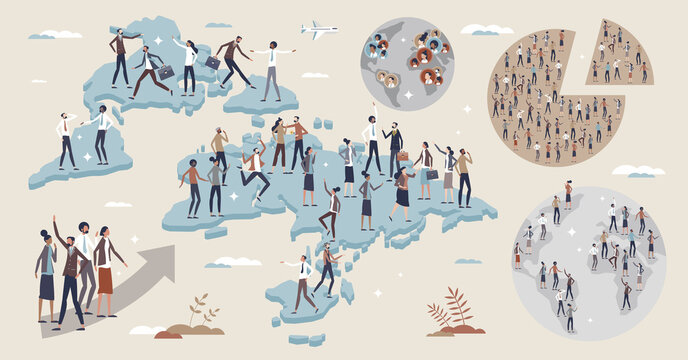
Population and Economic Development in India ‘India can reap the benefits of demographic change and achieve equitable and sustainable development…
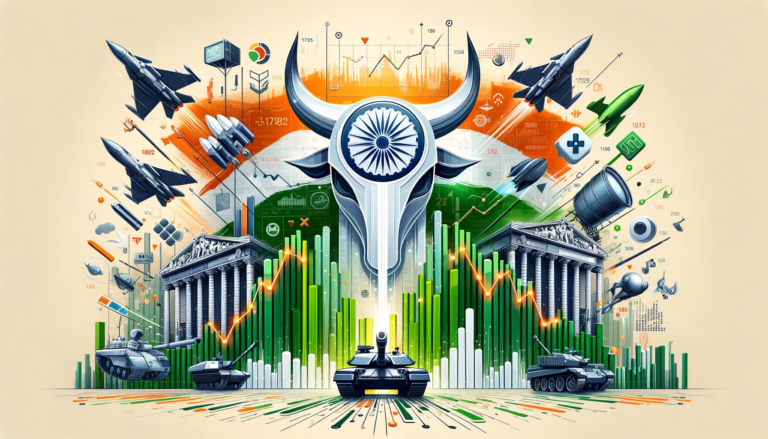
The prevailing challenge in the world is security. No country is secured today. Every nation is redefining the meaning of…
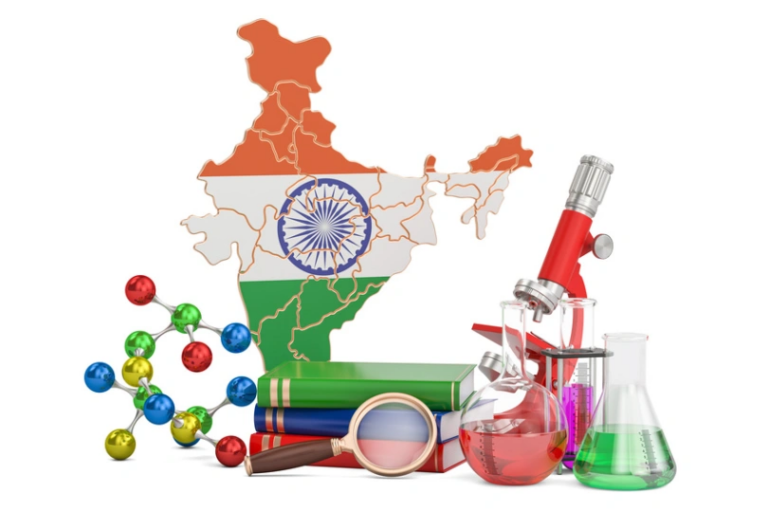
Delibrating Bharat’s Technology Paradigm Modern India has had a strong focus on science and technology, realizing that it is a…
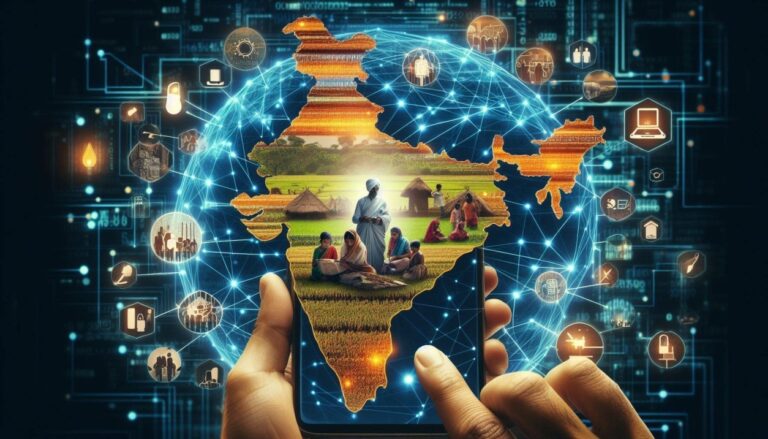
Bharat: A Torch Bearer at 2047 The 5000 years old value system as evolved and practiced in Bharat is more…
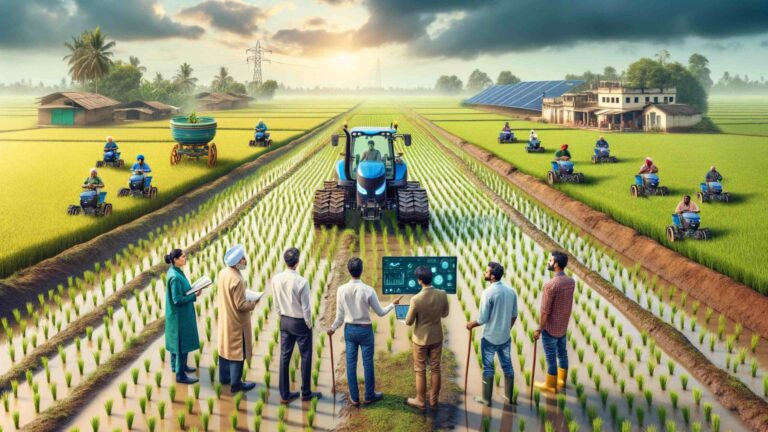
The concept of agriculture in Swadeshi revolves around the principles of self-reliance, sustainability, and local empowerment within the agricultural sector.…
Employment in India is a pivotal component of its economic structure, given its vast population exceeding 1.4 billion. This demographic…
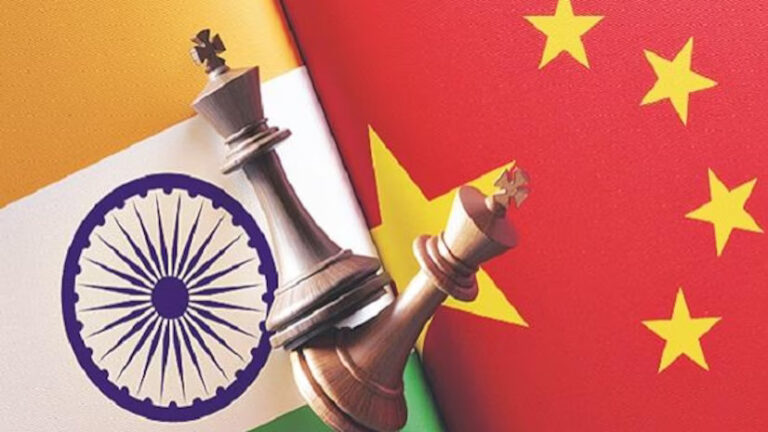
The All India Representative Assembly (AIRA) expresses serious concern over the Indian government’s indifferent behavior towards China’s multi-dimensional threats and…
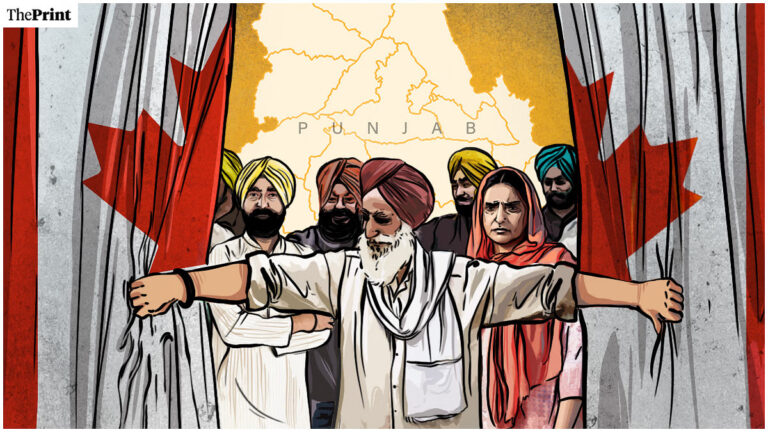
Punjab finds itself at a critical juncture, grappling with a complex array of socio-economic and political challenges that have shaped…
By Dr. Alok Singh, Recently, small and medium enterprises have received good support in the stock market. The primary market…
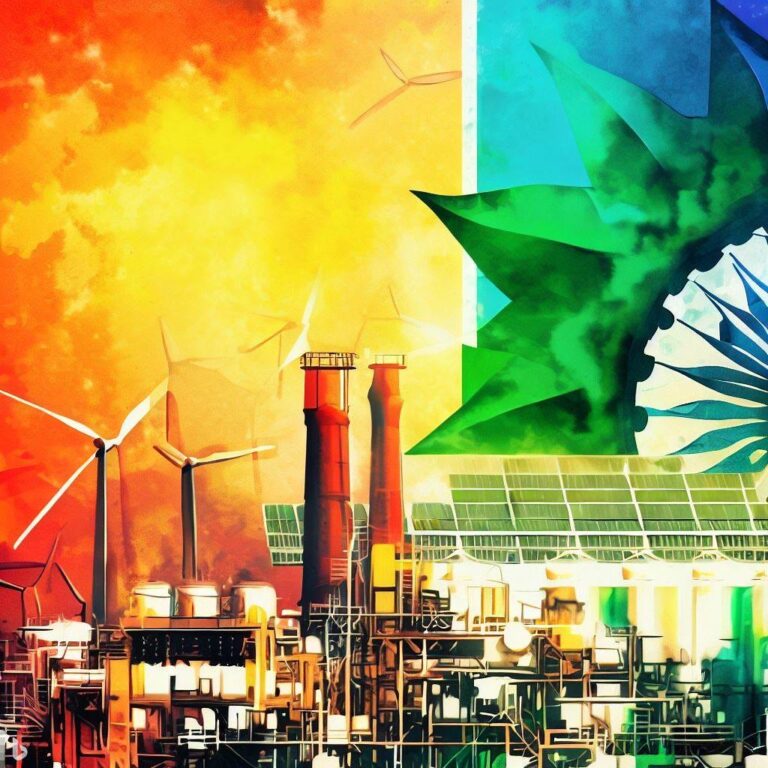
India is a pivotal player in global energy markets, often relying on strategic trade partnerships to fuel its growing economy.…

India’s Gen Z Murali Sundaram Technology Consultant India’s Generation Z (Gen Z) is characterized by a unique divergence from global youth trends, prioritizing innovation, entrepreneurship, and nation-building over disruptive agitation. Here is a summary of the key characteristics and contributions of India’s Gen Z: 1. Focus on Creation over Chaos In contrast…

Public-Private Partnerships for Strategic Self-Reliance By Leena Introduction: External dependence in strategic defence areas means a country’s dependence on overseas sources for key military technology, platforms, components, and expertise. For India, this has meant procurement of combat aircraft (e.g., Sukhoi-30MKI from Russia, Rafale from France), missile systems (e.g., S-400), and surveillance facilities. Although such alliances…
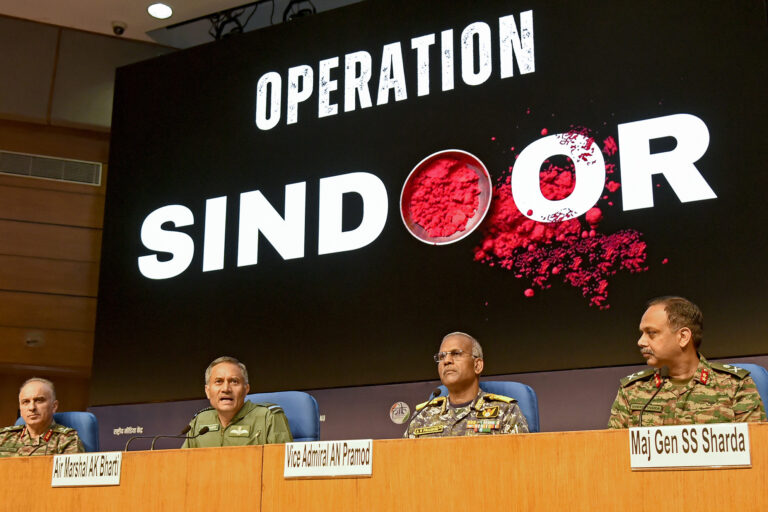
Bharat Through the Prism of Operation Sindoor: Confronting Global Threats and Shaping New Opportunities Abstract: In response to the terrorist attack in Pahalgam on 22 April 2025, Bharat carried out decisive airstrikes on the night of 6-7 May 2025, targeting locations in Pakistan-occupied Kashmir and deep inside Pakistan. Operation Sindoor was not merely a military…
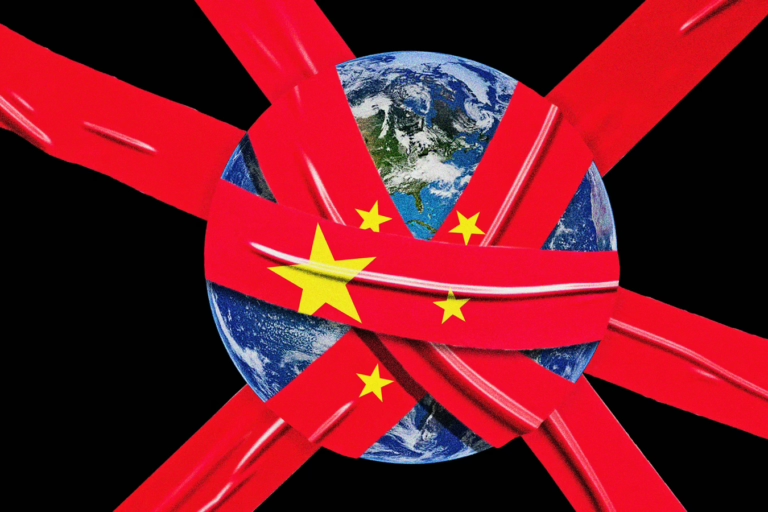
China’s Eight Points Rules: Whether they Promotes Democratic Values in China? Abstract China’s Eight Point Rules, introduced under President Xi Jinping in 2012, represent a pivotal administrative and political reform aimed at curbing bureaucratic extravagance, promoting discipline, and strengthening public trust in governance. Although designed primarily for domestic governance, the rules carry significant global relevance.…
Artificial Intelligence as an Instrument of Swadeshi and Vision 2047: Paving the Way for a Prosperous and Self-Reliant Bharat -By Vaibhav Pandey Abstract The coming decades will witness artificial intelligence (AI) shaping societies in unprecedented ways. India, poised on the cusp of a technological revolution, is tasked with harnessing this power in a manner that…
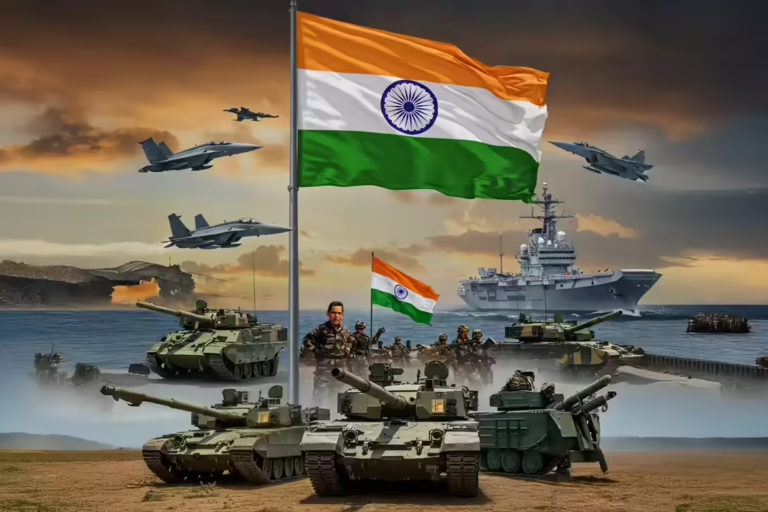
Bharat’s Major Defence Import Sources and How They Have Shifted Over Time: Building Bonds: The Diplomacy Behind Bharat’s Defence Deals” Focuses on defence imports as a tool of diplomacy. Bharat chooses certain partners, and what it gets beyond just weapons. By leena and Kartik Sharma Abstract: This paper explores the transformation of Bharat’s defence import policy from…